THE ART OF MIND · CHAPTER 09
Protect Your Energy
Give your effort somewhere useful to go.
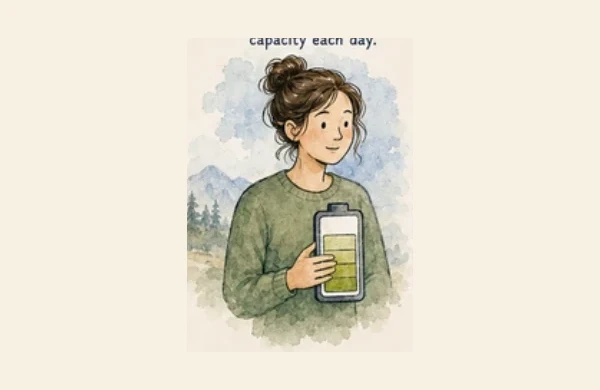
Your energy is limited. Noticing where it goes can help you distinguish necessary effort from repeated demands that leave you depleted without moving anything forward.
Read-aloud requires a browser with speech support. The full summary is available below.
01 · ARRIVE & UNDERSTAND
What we discovered
1Not every demand deserves the same amount of energy.
2Boundaries can protect what matters to you.
3Rest and recovery are part of using energy sustainably.
If this is you…
“I am exhausted from trying to keep everyone happy.”
“I have nothing left for the things that matter.”
02 · FOLLOW THE THREAD
A way through
Tap a step to explore it. Move at the pace the situation requires.
Notice the cost
What is taking energy, and what is it giving back?
03 · MAKE IT YOURS
A moment for reflection
Open your journalThere is no perfect answer. Your reflection stays on your device. TAOmind does not receive or store it.
Downloads a Word document named taomind - reflection - chapter - date.
Temporary notes. Save a document to keep them before leaving or refreshing this page.
04 · CHECK YOUR BEARING
A question to sit with
Is rest something I must earn by doing everything first?
05 · KEEP EXPLORING
The chapter continues.
Other voices and useful perspectives. Explore at the original source, in your own time.
YouTube, TikTok and Instagram sit alongside UK research, blogs, NHS guidance and BBC audio. Social links open at the publisher and may require sign-in. BBC and research feeds are checked on a visit once the weekly refresh is due. Dated resources appear first, followed by evergreen selections.
Showing all formats
Watch (5)
Newest firstUK · YouTube · Dr Julie Smith
Guided 12-minute mindfulness meditation
A guided practice linked from the creator’s website. Pause or stop if it does not feel useful for you.
Selected resource · publication date variesWatch at sourceUK · TikTok · Dr Julie Smith
Dr Julie’s short psychology videos
Browse the creator’s channel for short educational videos on feelings and everyday challenges. TikTok may require sign-in.
Selected resource · publication date variesWatch at sourceUK · TikTok · Mind
Mind on TikTok
The UK charity’s channel, listed by TikTok’s Mental Health Education Fund. Browse support and awareness videos; sign-in may be required.
Selected resource · publication date variesWatch at sourceUK · Instagram · Dr Julie Smith
How do you know if you are burnt out?
A short educational reel linked from the creator’s website. Use it as a starting point for reflection, not a diagnosis. Sign-in may be required.
Selected resource · publication date variesWatch at sourceNHS · Every Mind Matters
Tackling your worries
Explore the difference between a practical problem and a hypothetical worry.
Selected resource · publication date variesWatch at sourceListen (2)
UK · BBC Radio 4
All in the Mind
Conversations about psychology, mental health and the workings of the mind. Browse episodes at the BBC.
Selected resource · publication date variesOpen audio resourceUC Berkeley · Greater Good
The Science of Happiness
Research-informed conversations and guided practices. Choose an episode relevant to your chapter.
Selected resource · publication date variesOpen audio resourceRead (2)
UK · Mind · Personal blog
Walking for Mind turned grief into a fuel for good
One person’s account of walking, grief and connection. Experiences of loss differ; there is no required timetable.
Selected resource · publication date variesOpen resourceNHS · Every Mind Matters
Coping with stress
Information about recognising stress and finding further support.
Selected resource · publication date variesOpen resourceVisual Thoughts (2)
Newest firstUK · Getselfhelp · Carol Vivyan
The cogs that keep a problem going
A diagram for exploring how different factors keep a pattern going.
Selected resource · publication date variesOpen visual guideUK · Getselfhelp · Carol Vivyan
STOPP: pause and choose
A visual reminder for pausing, noticing and considering your next step.
Selected resource · publication date variesOpen visual guideGo Deeper (4)
Newest firstUK · NIHR Evidence
System-level changes are essential to improve the psychological wellbeing of NHS staff
28 Nov 2024Explore the sourceUK · NHS
Mindfulness: what it is and how to begin
Selected resource · publication date variesExplore the sourceUK · Mental Health Foundation
Using mindfulness to look after your mental health
Selected resource · publication date variesExplore the sourceUC Berkeley · Greater Good Science Center
The science of a meaningful life
Selected resource · publication date variesExplore the sourceKEEP THE CHAPTER CLOSE
Books to explore next.
Related reading for this chapter, with room to question, practise and reflect.
As an Amazon Associate I earn from qualifying purchases. Amazon links open in a new tab. Check the edition, format, current price and availability before buying. Selections offer different perspectives; inclusion does not imply endorsement by the author.
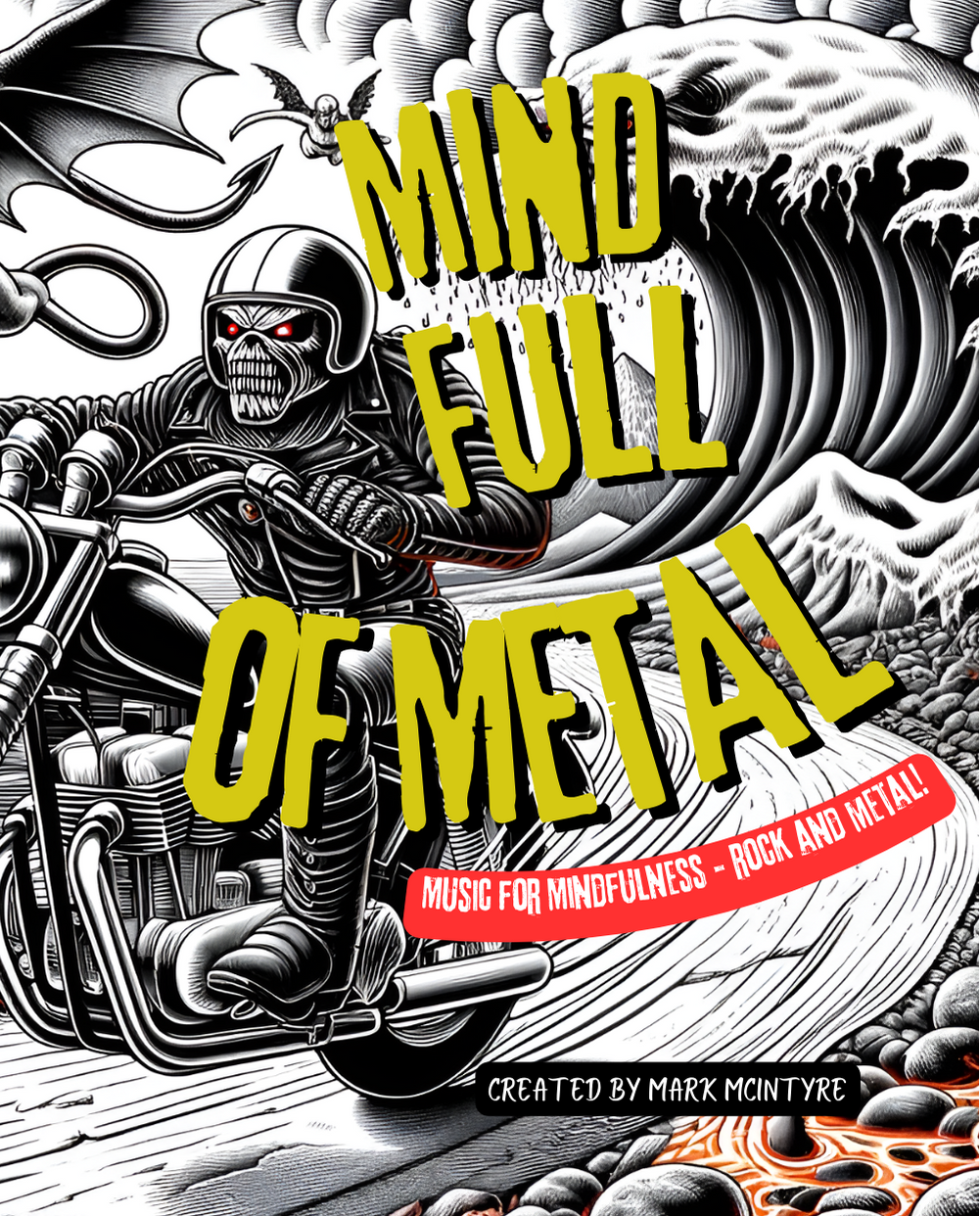
Mark McIntyre
Mind Full of Metal
A music-based approach to mindfulness for readers drawn to rock and metal. An alternative way to explore attention through sound.
View on Amazon UK Affiliate link · check edition and availability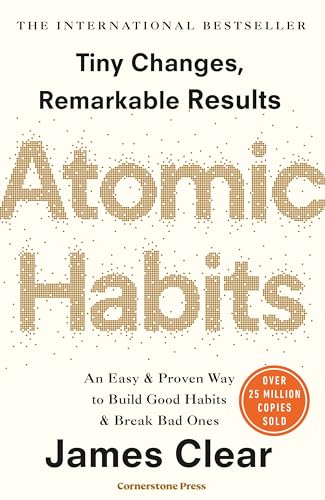
James Clear
Atomic Habits
Habit-building strategies to accompany mindful intentions. A behaviour-change book rather than a meditation guide.
View on Amazon UK Affiliate link · check edition and availability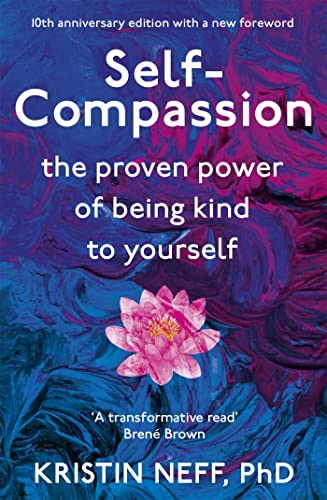
Kristin Neff
Self-Compassion
An exploration of self-criticism and kinder, more constructive responses to difficulty.
View on Amazon UK Affiliate link · check edition and availabilityMore books
Explore the full collection: activities, theory, deeper understanding and practical solutions.
Browse recommended readsChapter summary and interactive prompts adapted from The Art of Mind, first edition (2026), pages 90–99. Suggested onward links are companion navigation.