THE ART OF MIND · CHAPTER 08
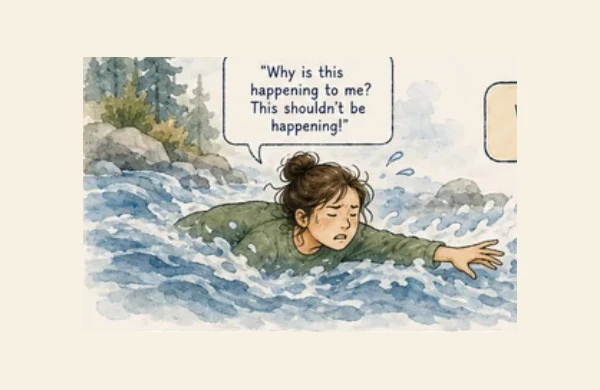
Stop Swimming Against the Tide
Work with the reality in front of you.
Recognising what has happened does not mean approving of it. It helps you direct your effort towards what remains possible instead of demanding that the past be different.
Read-aloud requires a browser with speech support. The full summary is available below.
01 · ARRIVE & UNDERSTAND
What we discovered
1Acceptance begins with recognising the current situation.
2Acknowledging reality is compatible with challenge and change.
3Redirect effort towards a useful next choice.
If this is you…
“I cannot accept that something has ended.”
“I keep fighting a change I did not choose.”
02 · FOLLOW THE THREAD
A way through
Tap a step to explore it. Move at the pace the situation requires.
Name the reality
What has happened, even if you wish it had not?
03 · MAKE IT YOURS
A moment for reflection
Open your journalThere is no perfect answer. Your reflection stays on your device. TAOmind does not receive or store it.
Downloads a Word document named taomind - reflection - chapter - date.
Temporary notes. Save a document to keep them before leaving or refreshing this page.
04 · CHECK YOUR BEARING
A question to sit with
Does accepting a situation mean approving of unfairness?
05 · KEEP EXPLORING
The chapter continues.
Other voices and useful perspectives. Explore at the original source, in your own time.
YouTube, TikTok and Instagram sit alongside UK research, blogs, NHS guidance and BBC audio. Social links open at the publisher and may require sign-in. BBC and research feeds are checked on a visit once the weekly refresh is due. Dated resources appear first, followed by evergreen selections.
Showing all formats
Watch (2)
Newest firstUK · TikTok · Dr Julie Smith
Dr Julie’s short psychology videos
Browse the creator’s channel for short educational videos on feelings and everyday challenges. TikTok may require sign-in.
Selected resource · publication date variesWatch at sourceNHS · Every Mind Matters
Tackling your worries
Explore the difference between a practical problem and a hypothetical worry.
Selected resource · publication date variesWatch at sourceListen (2)
UK · BBC Radio 4
All in the Mind
Conversations about psychology, mental health and the workings of the mind. Browse episodes at the BBC.
Selected resource · publication date variesOpen audio resourceUC Berkeley · Greater Good
The Science of Happiness
Research-informed conversations and guided practices. Choose an episode relevant to your chapter.
Selected resource · publication date variesOpen audio resourceRead (2)
UK · Mind · Personal blog
Walking for Mind turned grief into a fuel for good
One person’s account of walking, grief and connection. Experiences of loss differ; there is no required timetable.
Selected resource · publication date variesOpen resourceNHS
Grief after bereavement or loss
Support for loss. Reflection is not a deadline for grief.
Selected resource · publication date variesOpen resourceVisual Thoughts (2)
Newest firstUK · Getselfhelp · Carol Vivyan
The worry tree
A visual decision tree for separating hypothetical worries from practical problems.
Selected resource · publication date variesOpen visual guideUK · Getselfhelp · Carol Vivyan
Emotions at a glance
A visual chart connecting feelings, thoughts and possible responses.
Selected resource · publication date variesOpen visual guideGo Deeper (4)
Newest firstUK · NIHR Evidence
System-level changes are essential to improve the psychological wellbeing of NHS staff
28 Nov 2024Explore the sourceUK · NHS
Mindfulness: what it is and how to begin
Selected resource · publication date variesExplore the sourceUK · Mental Health Foundation
Using mindfulness to look after your mental health
Selected resource · publication date variesExplore the sourceUC Berkeley · Greater Good Science Center
The science of a meaningful life
Selected resource · publication date variesExplore the sourceKEEP THE CHAPTER CLOSE
Books to explore next.
Related reading for this chapter, with room to question, practise and reflect.
As an Amazon Associate I earn from qualifying purchases. Amazon links open in a new tab. Check the edition, format, current price and availability before buying. Selections offer different perspectives; inclusion does not imply endorsement by the author.
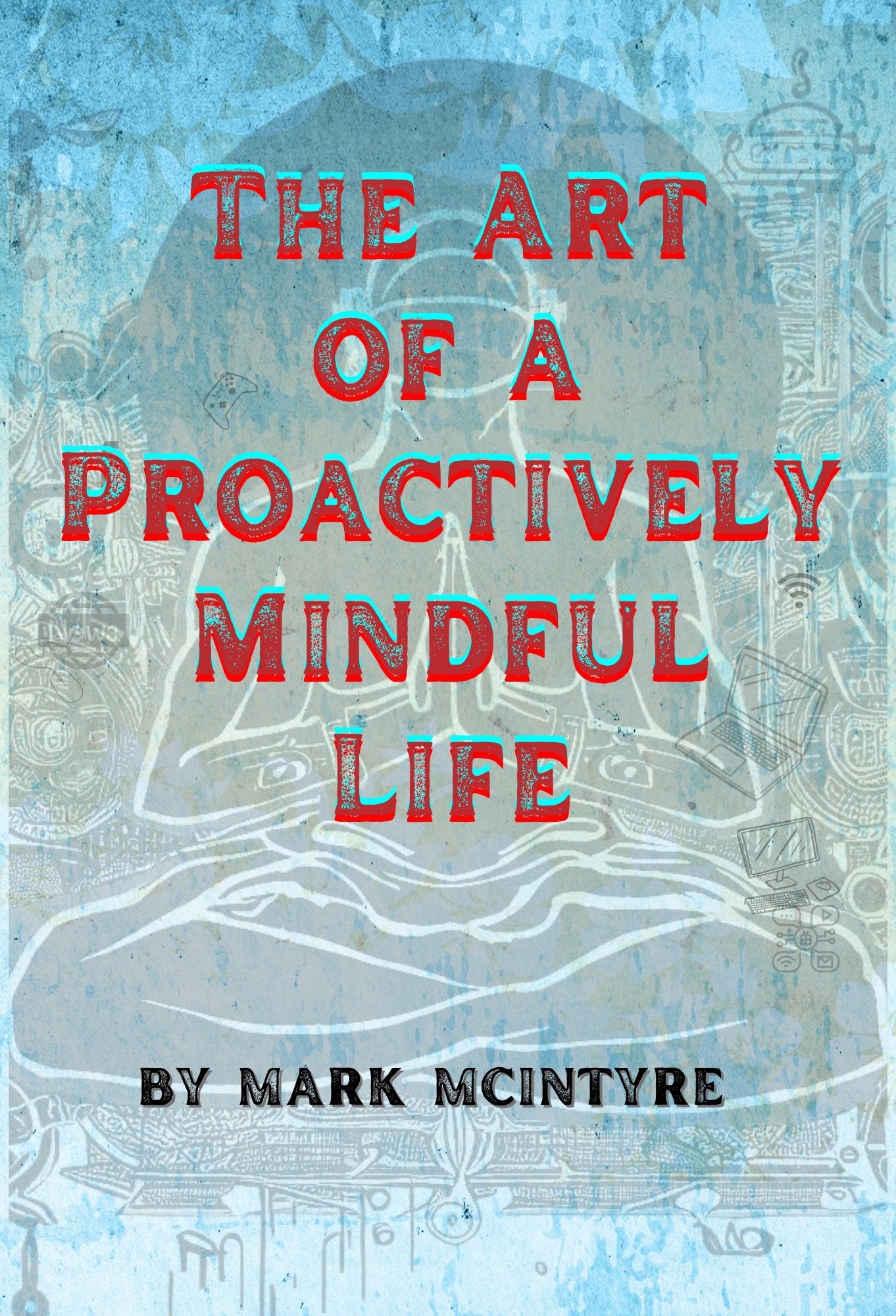
Mark McIntyre
The Art of a Proactively Mindful Life
Mark’s exploration of ancient philosophy in modern life, offered as a companion to mindful reflection and considered action.
View on Amazon UK Affiliate link · check edition and availability
Marcus Aurelius
Meditations
Stoic reflections on judgement, responsibility and what is within our influence. Historical philosophy to read critically.
View on Amazon UK Affiliate link · check edition and availability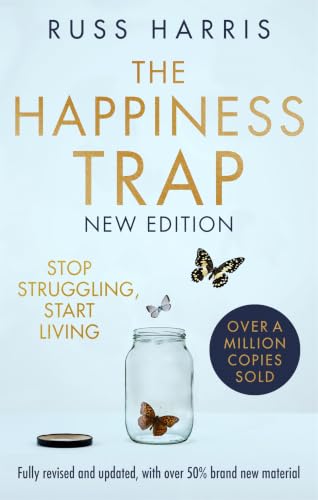
Russ Harris
The Happiness Trap, 2nd Edition
Acceptance and commitment therapy ideas for stepping back from thoughts and acting on values.
View on Amazon UK Affiliate link · check edition and availabilityMore books
Explore the full collection: activities, theory, deeper understanding and practical solutions.
Browse recommended readsChapter summary and interactive prompts adapted from The Art of Mind, first edition (2026), pages 80–89. Suggested onward links are companion navigation.